Aktuelles

What the Trap Draw Means for Your Greyhound Derby Bet | 20. November 2025
Traps aren’t just numbers, they’re personality traits
In the world of greyhound racing, the trap draw is the first card you’re dealt before the race even starts. It’s not a random slot on a board; it’s a strategic decision that can make or break a race. Think of it as the starting block in a sprint: the closer to the rail, the more likely you’ll control the pace and avoid traffic jams. But that’s only part of the equation. The trap also reveals a dog’s racing style—some thrive on the inside, others prefer the wide, and a few are wildcards who can dominate from any position.
Short. Big. Simple.
Every track has its quirks. A narrow, twisty track will reward an inside trap, while a wide, open circuit gives the outer doors a chance to stretch out and avoid the congestion that usually forms on the inside. That’s why, before you place a bet, you need to know the track’s geometry and how each greyhound handles it. A dog that loves the rail might be a no‑no on an outside draw, even if the odds look sweet.
One more thing: the first turn is a battlefield. Dogs that can get a clean break from their trap often dictate the race’s tempo. If a top contender is stuck in the middle, they’ll have to jostle for space, which can sap energy and expose them to a slower pace that favors the front‑runners.
Now, let’s talk numbers.
Odds vs. Trap: the real gamble
Traps aren’t always reflected in the betting market. A favourite might get a 5th or 6th trap, and the odds could still look inviting if the crowd thinks the dog will pull through. But the truth is, a trap can offset a dog’s natural speed. A 1‑inch advantage from the rail can translate into a 0.2‑second lead at the finish—enough to swing the money from a 3‑to‑1 to a 2‑to‑1 payout.
Short. Sharp.
To get the most out of your bet, you should pair the trap draw with the dog’s past performances. Look for patterns: does the dog win more often from the 2nd or 3rd trap? Does it stumble when forced to cut across the track? If you’re betting on a single greyhound, your odds improve when you’re aware of how that particular trap plays to its strengths.
Remember, the draw is random, but your analysis isn’t.
Timing, timing, timing
Every race is a microcosm of physics and instinct. The trap draw can influence the race’s early acceleration phase. Dogs that are naturally quick off the line may be hampered by a trap that forces them to weave. Conversely, a slower starter might find a wider trap that lets them build momentum without battling the first wave of dogs.
Short. Power.
Another layer is the “draw‑bias” of a track. Some circuits favor certain traps because of the layout of the turns and the surface. If a track has a tight first bend, an inside trap can be a lethal advantage. If the first turn is wide, the outer doors may be the sweet spots. Knowing this bias can help you tilt your stake in favor of a dog that’s already got a natural edge.
Don’t forget the psychological factor.
Psychology on the track
Greyhounds are not just machines; they’re athletes with a sense of territory. A dog that’s used to running from the inside may feel uneasy in an outer trap, leading to hesitation at the start. That hesitation can cost precious milliseconds. On the flip side, a dog that thrives on the wide may become a runaway if forced into a tight middle trap. Betting with this in mind is like reading a chess board where every piece moves according to its own logic.
Short. Insight.
For those who want to stay ahead, use a resource like greyhoundderbydraw.com. It breaks down each track’s trap bias, shows historical win rates per trap, and gives you a quick glance at how each dog performs from different positions. The data is real time, and the interface is brutal simple—no fluff, just numbers that matter.
Short. Cut.
In the end, the trap draw is a hidden variable that can tilt the odds in your favor—or against you. Treat it like a secret weapon: study the track, study the dog, and let the numbers guide your bet. If you’re missing that edge, you’re just another face in the crowd.
Short. Done.
The Importance of Rest Days in Rugby Tournament Betting | 20. November 2025
Why Ignoring Rest Days Is a Money‑Bleeding Mistake
Betting on rugby without giving a nod to rest days is like sprinting a marathon blindfolded. Teams that slog through back‑to‑back fixtures suffer injuries, fatigue‑driven errors, and a drop in tactical sharpness. The odds you see on the board often hide these hidden variables, and the sharp bettor knows that the schedule is as decisive as a scrum‑half’s flick.
Physical Toll: Fatigue’s Silent Saboteur
Look: a forward’s average carry count drops by 12% after three consecutive matches. Muscle glycogen stores deplete, lactic acid lingers, and the recovery window compresses. When the calendar punches a team with a Wednesday‑Thursday‑Friday grind, the players’ performance curve plummets, yet bookmakers still price them like fresh blood. Spot the discrepancy, and you’ve uncovered a value bet.
Psychological Edge of a Day Off
Here is the deal: a rest day does more than mend bruises. It resets mental acuity, letting coaches re‑tool game plans, and gives players a chance to regroup. A team that emerges from a weekend break often shows a surge in line‑breaks and a tighter defensive line. Ignore that, and you’ll miss a swing in the spread that could turn a modest stake into serious profit.
How to Exploit Rest‑Day Dynamics in Your Betting Model
By the way, integrating rest‑day variables isn’t rocket science. Add a simple binary flag: 1 if a team had a minimum of 48 hours since the last match, 0 otherwise. Then weight recent performance metrics accordingly. The data will whisper which side is likely undervalued. Combine that with injury reports from rugbybettingtips.com, and you’ve got a cheat code for the tournament’s betting market.
Practical Tips for the Next Tournament
First, scan the fixture list for clusters of matches with ≤2 days rest. Second, watch the pre‑game news for any mention of rotation policies—coaches love to rest star players when the schedule is brutal. Third, adjust your staking plan: lean heavier on teams fresh from a rest day, shave back on the grind‑wearied squads. The market will eventually correct, but you’re already ahead of the curve.
Actionable advice: set an alert for any team that plays three matches in seven days, then automatically reduce your exposure by 30% unless a rest day is scheduled before the next game.
Dallpacino erfolgreich in Warendorf | 18. November 2025
Erfolgreich unterwegs | 10. August 2025
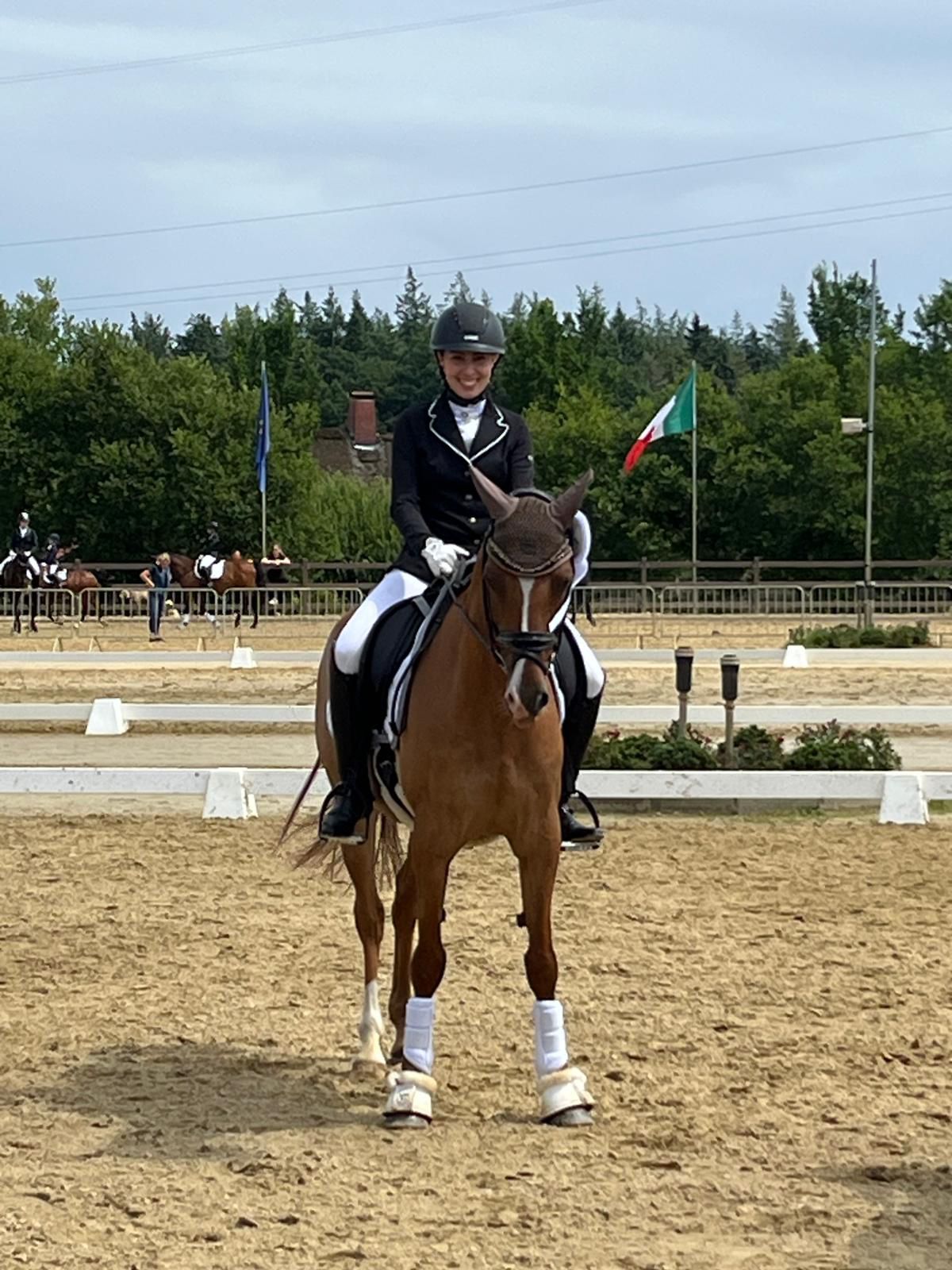
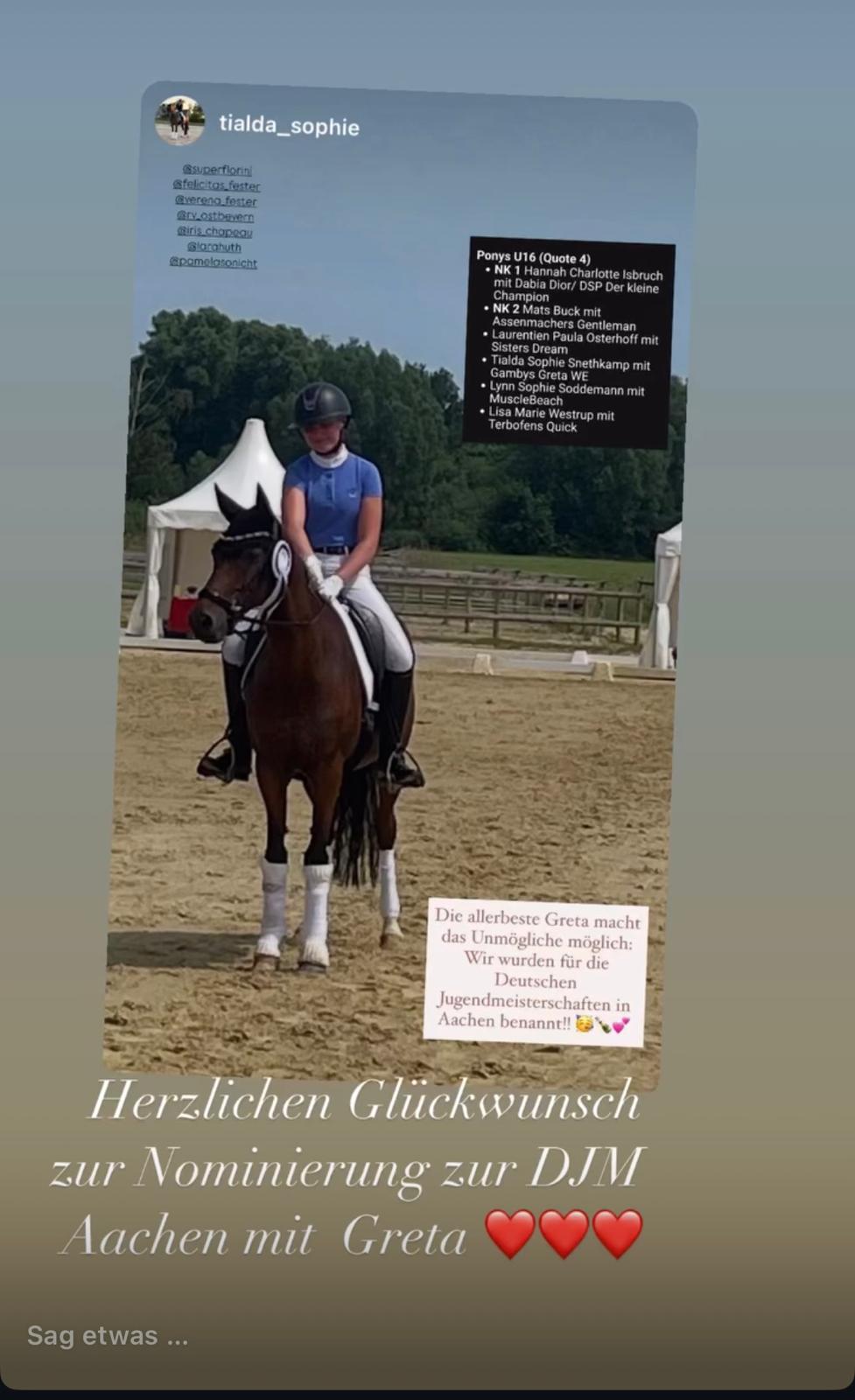
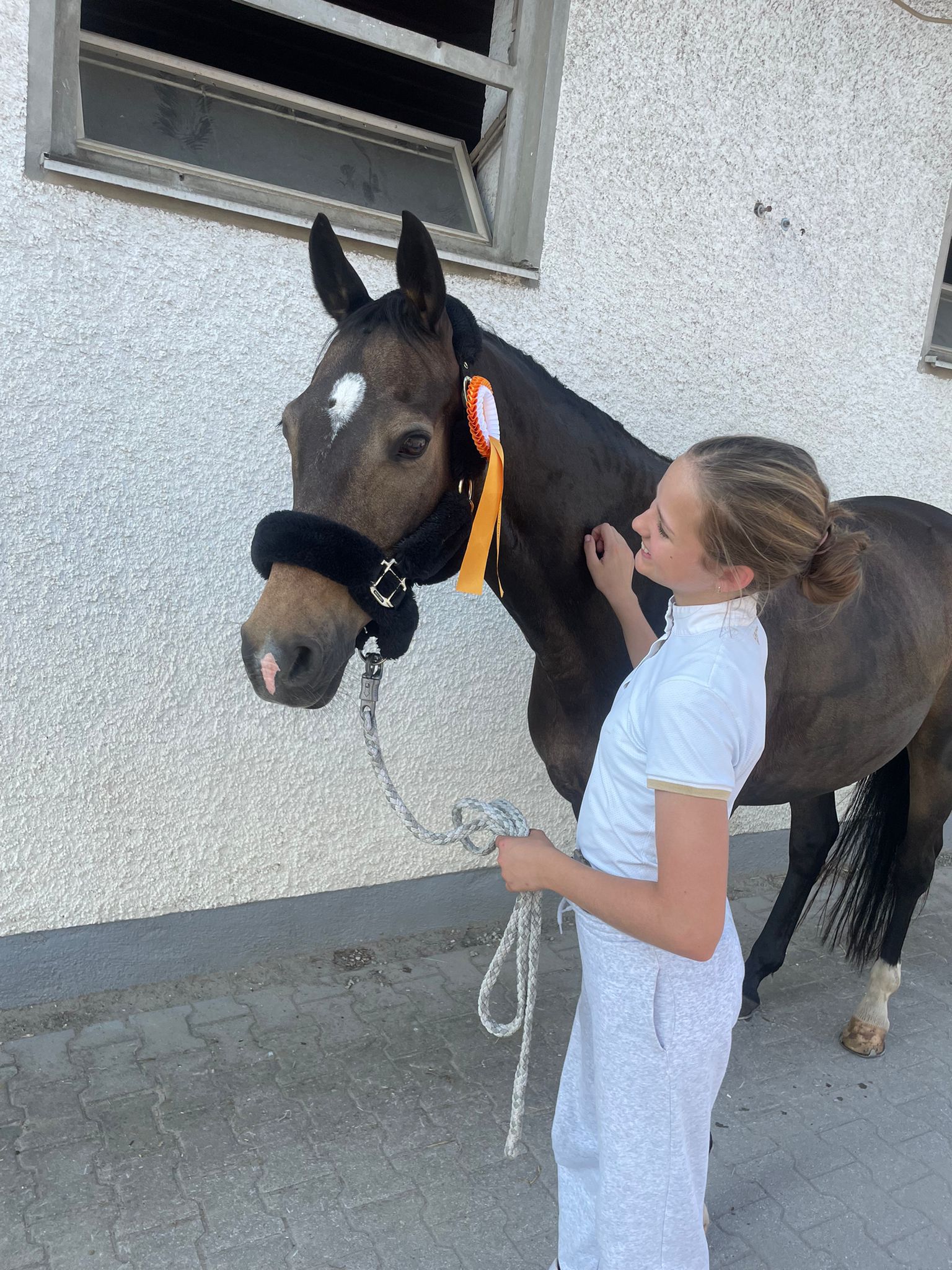
V0n links nach rechts:
Pott`s Deja-Vu, erst 6 Jahre alt trägt gleichzeitig 3 Reiterinnen zum Erfolg: Lena Fischer und Ihre Tochter im L – und E – Level und Lara Siebrandt bis zum Sieg in der M-Dressur.
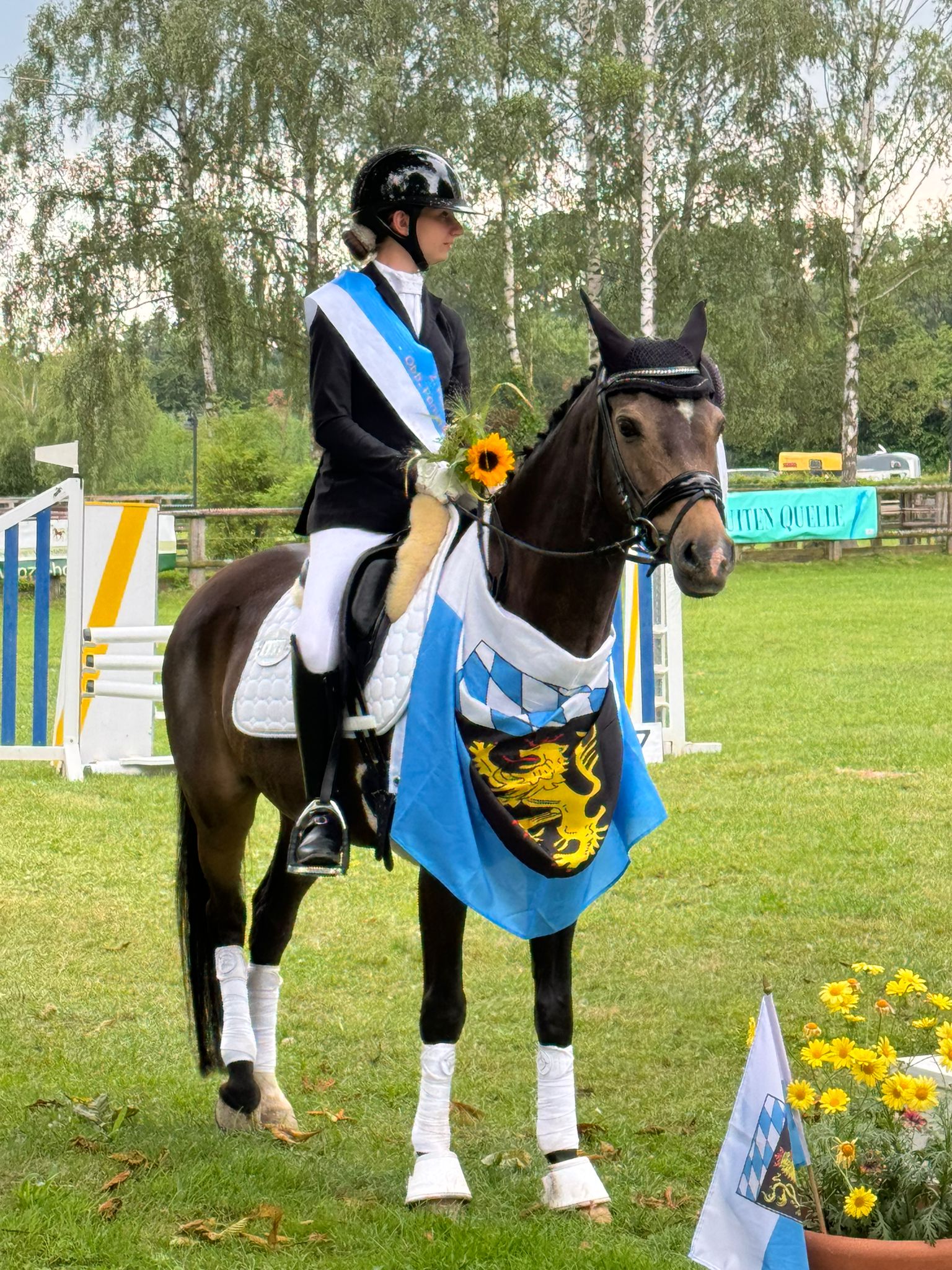
Tialda Sophie Snethkamp reitet Greta nach erst sieben Monaten gemeinsamer Arbeit wieder zur Nominierung für das DJM.
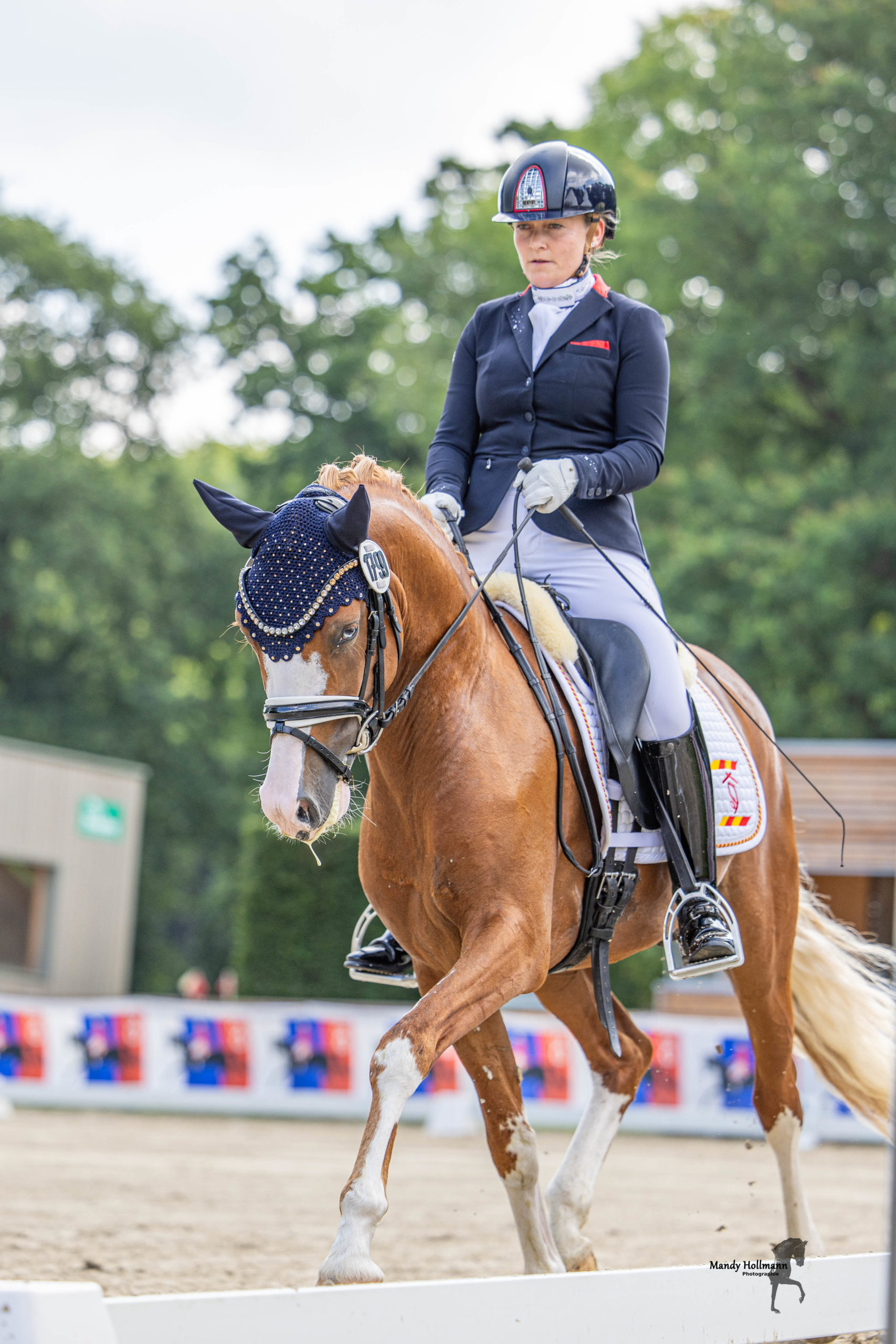
Die erst 12-jährige Zita Wagner startet mit Cosimo P in die FEI-Liga.
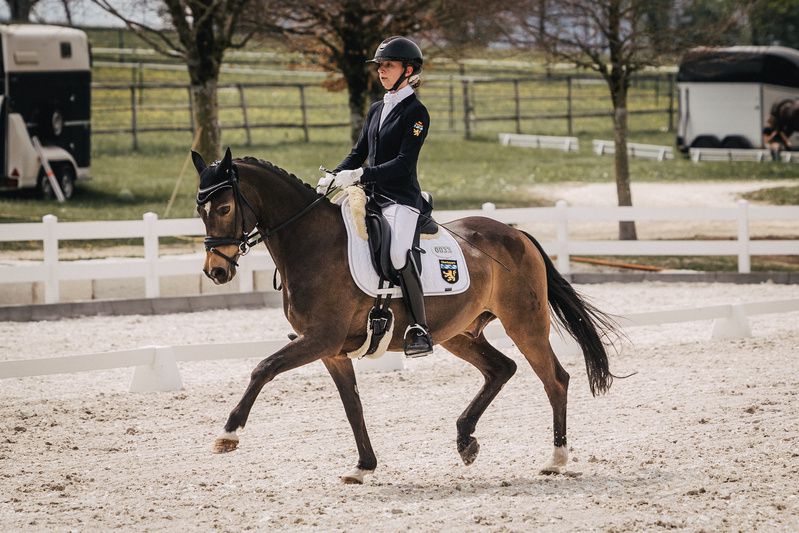
Theo setzt sich mit Marlene Baumgärtel immer wieder mit Siegen und sehr guten Platzierungen in L-Dressuren durch.
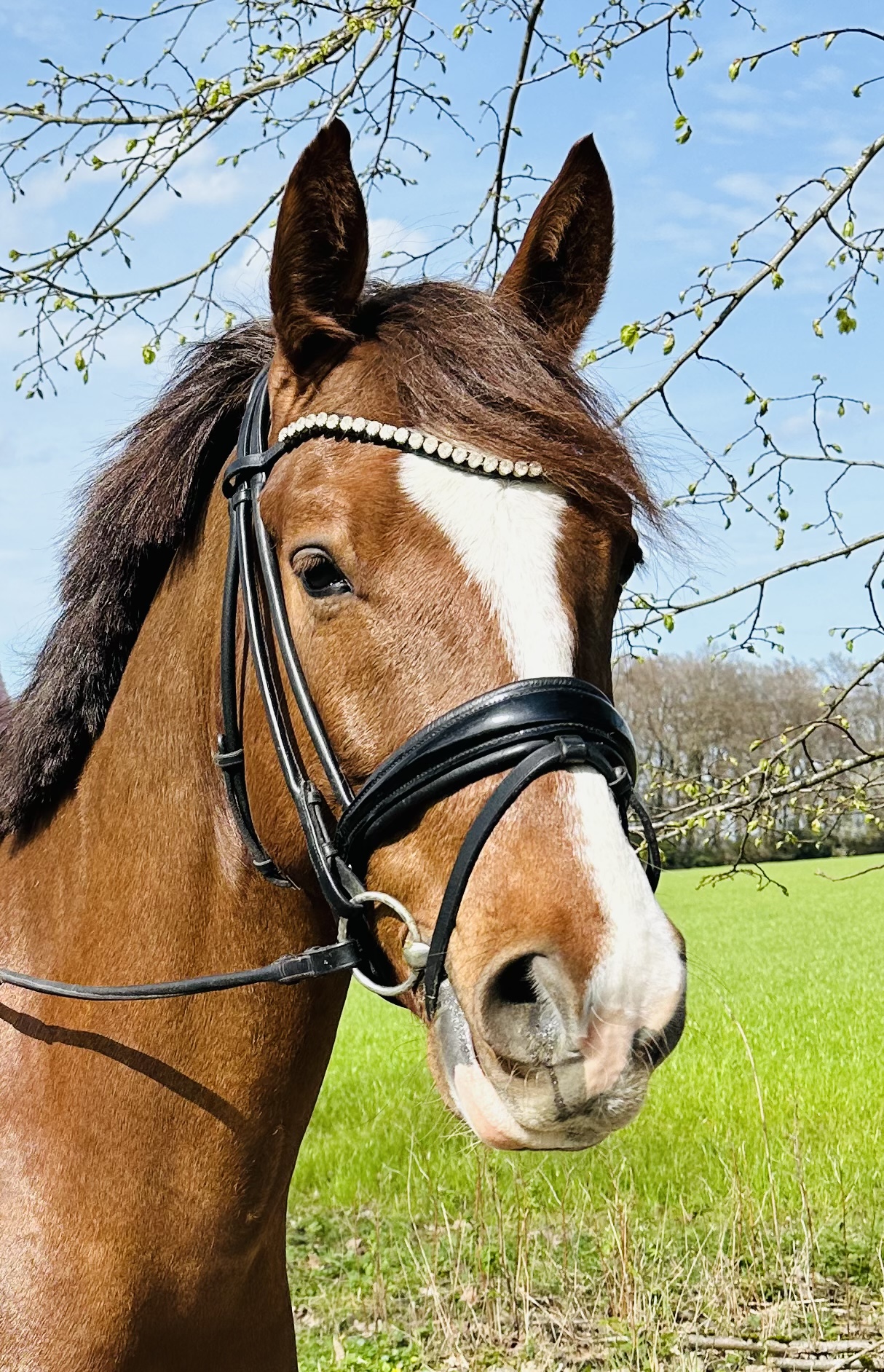
Wenke Kraus erreicht mit Pott`s Dallpacino mit 8,4 den 2. Platz im Oldenburger Landeschampionat der 4 – jährigen Reitponys.
Dallpachino in Rastede erfolgreich | 7. August 2025
Dallpachino konnte sich in Rastede für das diesjährige Bundeschampionat qualifizieren. Glückwunsch an den Besitzer Martin Hussmann (Dänemark) und die Tolle Reiterin Wenke Kraus!im Finale zum Landeschampionat erreichte er mi einer Topnote von 8,4 den 2. Platz
Unser Fohlen von Claire Marie | 7. August 2025
Unsere Stute Toni (Claire Marie) hat 2025 wieder ein Tolles Stutfohlen gebracht. Name: Marie Joana. Vater D-Gold.

Pott’s Déjà-Vu erfolgreich mit Lena Fischer und Laura Siebrandt | 4. Juli 2024
Bei uns hieß er noch Pott´s Disco Dancer, d as zweite Fohlen aus unserer Nummer Uno – Stute Nicole Claire, ist sehr erfolgreich im A-Level und hat auch schon Reitpferdeprüfung L (gegen Großpferde) gewonnen!
Die beiden Reiterinnen sind total glücklich mit ihm. Und das gönnen wir Ihnen und wir freuen uns darüber!
Cosimo P macht wieder von sich reden | 4. Juli 2024
Unser Cosimo ist jetzt 14 Jahre alt und der hat nicht nur mit seiner Ausbildung Nina Dirks, sondern auch mit den Ponyreiterinnen Kenya Keilbach und Mila Seiderer gezeigt, dass Entwürfen eine dümmliche 25. Kastenform Unterlagen geben und vom Wasser besprochen er was er kann.
Seit einem Jahr wird er von Valentina Kainz liebevoll betreut und geritten. Die beiden sind ein tolles Paar und wie die anderen auch wieder sehr erfolgreich!
Super Valentina!